
Roof repairs
Deal with the failed area before assuming the whole roof needs replacing.
A leak or damaged roof covering can be disruptive, but it does not automatically mean the entire roof has failed.
Where the surrounding roof remains serviceable, a focused repair may be the appropriate response.
The important first step is identifying where the problem is coming from and how much of the roof is actually affected.
01
What can point toward a roof repair?
Roofing problems do not always appear directly beneath the place where water enters. An assessment is therefore more useful than trying to diagnose the cause from one symptom alone.
- Water staining after rainfall
- Slipped or missing slates
- Cracked or displaced tiles
- Local storm damage
- Deterioration around roof junctions
- Problems around chimneys or flashings
- Isolated ridge or verge defects
- A previously sound roof developing one local problem
02
A repair should address the cause, not only the visible symptom.
The scope depends on what is actually found. The appropriate repair depends on the roof covering, condition, access and source of the problem.
- Replacing damaged or missing slates or tiles
- Securing displaced roof coverings
- Repairing a failed local detail
- Addressing defective flashing or leadwork
- Replacing damaged components within the affected area
- Checking the surrounding roof for related defects
03
When does a repair stop being the sensible answer?
A focused repair can make sense when the failure is local and the surrounding roof remains in serviceable condition.
Replacement deserves more serious consideration when deterioration is widespread, defects repeatedly occur in different areas, the covering is extensively worn or previous patches are no longer solving the underlying problem. The decision should come after assessment.
The Rookstone approach
A clear route from the symptom to the scope.
- 01
Describe the problem
Explain what you have noticed and when it appears.
- 02
Assess the affected area
Consider the visible defect and surrounding roof condition.
- 03
Explain the likely cause
Describe the findings in straightforward language.
- 04
Compare the realistic options
Explain local repair where sensible, or why broader deterioration changes the picture.
- 05
Set out the scope
Document the proposed work in a written quotation before it is agreed.
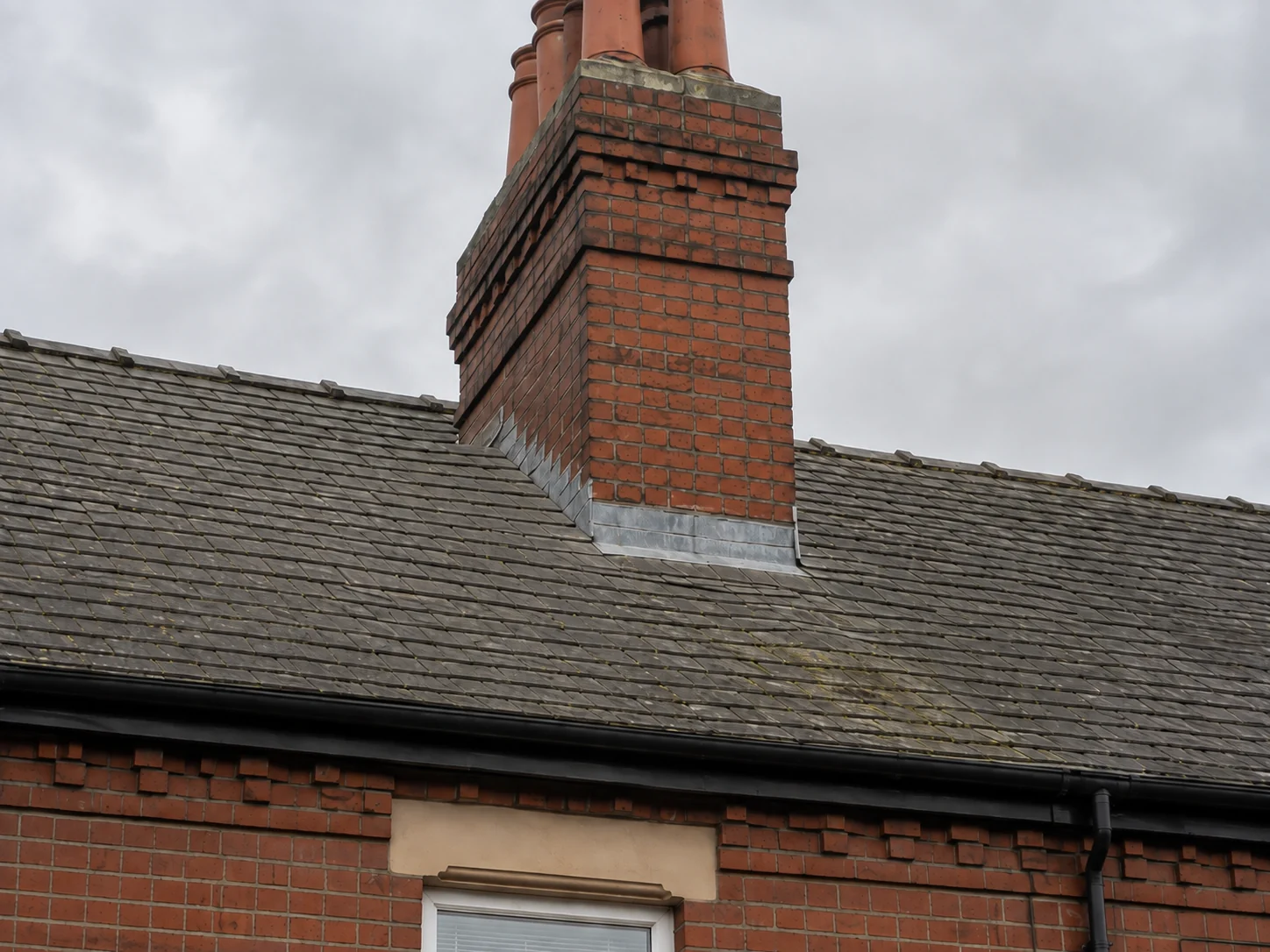
Fictional project scenario
Localised Slate Roof Repair — Stockport
In this fictional scenario, water staining after heavy rain leads to an assessment of an older terraced slate roof. The problem is local rather than roof-wide, demonstrating why focused repair can be more appropriate than wholesale replacement.
View project scenarioCommon questions
Questions about roof repairs
Can a leaking roof always be repaired?
Not always. Some leaks come from a local defect that may be repairable, while others occur on roofs with broader deterioration. The affected area and surrounding roof need to be considered first.
Can you tell where a roof leak is coming from inside the house?
Internal staining can identify an area of concern, but water can travel before becoming visible indoors. The roof itself still needs to be assessed.
Does one broken tile mean I need a new roof?
No. One damaged roof covering does not automatically justify replacing the full roof. The surrounding condition matters.
What if more damage is found during the assessment?
The additional problem should be explained and reflected in the proposed scope rather than hidden inside a vague recommendation.
Should I wait if the leak only appears during heavy rain?
Recurring water ingress should not be ignored because it is intermittent. The cause still deserves investigation.
Not sure what is causing the problem?
Describe what you have noticed and where the property is located. You do not need to diagnose the roof before starting the conversation.
This is a fictional website demonstration. The quote experience does not send or store your information.